
Immigrant Life
Your First Year in the NYC Area: A Settling-In Checklist
By Queenie Zhuang · June 15, 2026 · 8 min read
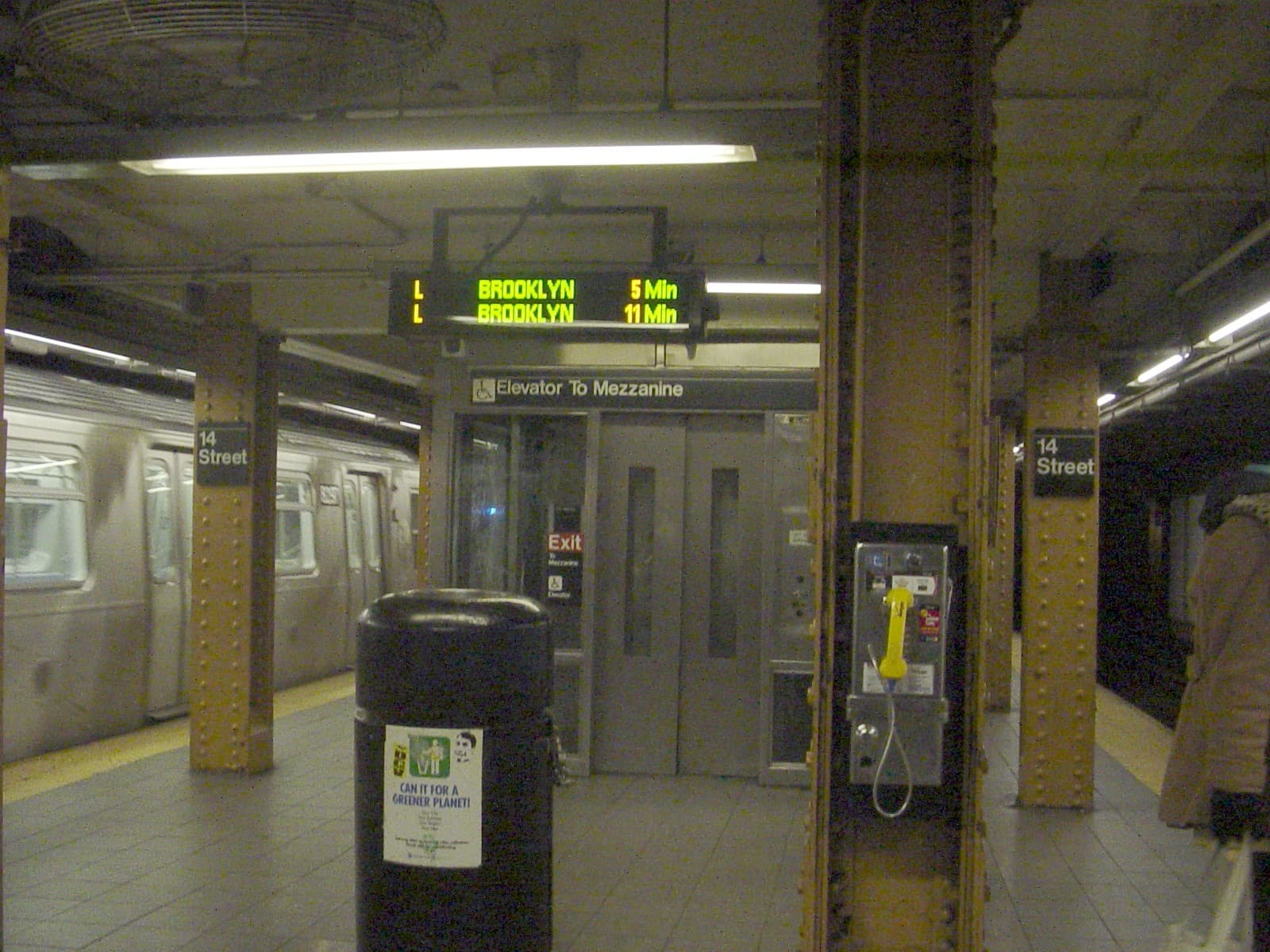
TLK in 3 — CC BY-SA 3.0 · Wikimedia Commons
Landing in the New York area for the first time can feel like being handed a stack of forms in a language you only half-speak — even if your English is excellent. The hard part isn't any single task; it's that everything depends on something else. Your bank wants an ID. The DMV wants proof of address. Your tax status depends on how many days you've been here. This checklist walks through the first-year essentials in roughly the order they tend to come up, so you can move through them without backtracking.
As of June 2026. Rules, fees, and processing times below were verified against official US government and New York State sources in June 2026. Government rules change often — always confirm the current requirements on the official site before you act.
This is general educational information, not legal, tax, immigration, or financial advice. Everyone's situation is different. For decisions that matter, consult a licensed attorney, CPA or enrolled agent, or accredited immigration representative. Homix is a licensed real estate brokerage, not a tax or law firm.
Step 1: SSN or ITIN — your tax identity
Almost everything else hangs on having a tax identification number, so start here.
If you're authorized to work in the US (a green-card holder, an H-1B worker, an F-1 student with work authorization, etc.), you apply for a Social Security number (SSN). The Social Security Administration does not charge a fee for a card. If you arrived as a new immigrant, the SSA advises waiting about 10 days after entry before applying, so the Department of Homeland Security records that confirm your status have time to sync. Bring original, unexpired documents proving identity, immigration status, and age. After everything is verified, the card typically arrives within about two weeks — though status verification with DHS can add delays.
If you are not eligible for an SSN but still need to file a US tax return — for example, a non-working spouse or dependent, or certain investors — you apply for an Individual Taxpayer Identification Number (ITIN) using IRS Form W-7, usually submitted with the tax return that requires it. The IRS suggests allowing about seven weeks for a response, and longer during filing season. An ITIN is for tax purposes only; it does not grant work authorization or immigration status.
Step 2: Open a bank account
Once you have ID, open a checking account so paychecks, rent, and deposits have a home.
You generally do not need an SSN to open a personal bank account. Major banks commonly accept an ITIN (or, for some institutions, a passport plus a secondary ID) in place of an SSN. Because most banks' online systems aren't built to handle applications without an SSN, plan to open the account in person at a branch, where staff can verify foreign documents. Bring your passport, your immigration document, and proof of your local address. A 2025 regulatory change gave banks more flexibility in how they verify taxpayer identification, so requirements vary by bank — call ahead and ask exactly what to bring.
Step 3: A phone plan and US credit history
A US phone number is the small thing that unblocks everything else — two-factor codes, appointment confirmations, deliveries.
You'll choose between postpaid plans (monthly bill, usually a credit check) and prepaid plans (pay first, no credit check). With no US credit history yet, prepaid is often the path of least resistance in week one; you can switch later. Keeping the same number over time also quietly helps build the kind of stable record that lenders like to see.
Separately, start building US credit early. A secured credit card (you put down a deposit that becomes your limit) or being added as an authorized user is a common first step. US credit history doesn't transfer from abroad, and you'll want it later for renting, financing a car, or a mortgage. The federal Consumer Financial Protection Bureau publishes plain-language guides worth reading before you sign anything.
Step 4: NY State driver license or non-driver ID
Even if you won't drive much in the city, a state ID is the everyday card you'll actually carry.
New York uses a 6-point document system: you present a combination of documents that adds up to at least six points to prove identity and date of birth. A valid passport, a permanent resident card, and other listed documents carry assigned point values. The DMV requires originals or agency-certified copies — no photocopies, and a laminated Social Security card is not accepted.
If you want a REAL ID or Enhanced license — the version you'll eventually need to board domestic flights — you must also show two proofs of New York State residency, such as a recent bank statement and a utility bill or pay stub at your current NY address. Before booking a DMV appointment, run your documents through the official DMV Document Guide so you arrive with exactly what's needed.
| Need | Document(s) typically required |
|---|---|
| SSN | Identity, immigration status, age — originals/unexpired |
| ITIN | Form W-7 + identity docs, usually with your tax return |
| Bank account | Passport + ITIN or secondary ID + proof of address |
| NY license / ID | 6 points of ID; REAL ID adds 2 proofs of NY residency |
Step 5: Your lease and utilities
Your lease is a binding contract — read it before you sign, not after.
Look closely at the monthly rent, security deposit, lease term, who pays which utilities, renewal and break-lease terms, and any broker fee. In New York, a security deposit on a residential lease is generally limited to one month's rent. Confirm in writing what's included (heat and hot water are often the landlord's responsibility; electricity and internet usually aren't) so the first month's bills don't surprise you. Set up electricity, gas, and internet a few days before move-in, since some providers need lead time. When you're still comparing areas, our neighborhoods guide and current listings lay out costs and commutes as neutral logistics — and our team can walk you through a lease before you commit.
Step 6: Resident vs. nonresident taxes
This is where newcomers most often get it wrong, because "resident" means different things to the IRS and to New York State.
Federally, your status turns on the Substantial Presence Test — broadly, physical presence of at least 183 days counted over a three-year weighted formula. F-1 students are generally treated as "exempt individuals" (their days don't count) for five calendar years, which usually makes them nonresident aliens who file Form 1040-NR; many also must file Form 8843. Once you meet the test, you're a resident alien taxed on worldwide income.
For New York State, the test is different again. Full-year residents file Form IT-201; part-year residents and nonresidents with New York-source income file Form IT-203. A common trap: filing IT-203 when you should have filed IT-201 can understate your tax, because IT-201 covers worldwide income while IT-203 covers only New York-source income. If you moved mid-year, hold a student visa, or have income in more than one state or country, this is the moment to consult a qualified tax professional.
Step 7: Health insurance
In the US, health coverage is something you arrange yourself — don't let this one drift.
New York residents apply through NY State of Health, the state marketplace. For most Qualified Health Plans, open enrollment for 2026 coverage ran November 1, 2025 to January 31, 2026; outside that window you generally need a qualifying life event. Lower-income, lawfully present New Yorkers may qualify for the Essential Plan, which has continuous enrollment and low or $0 premiums — but note a 2026 change: people with income between 200–250% of the federal poverty level are no longer Essential Plan–eligible as of July 1, 2026, and would shift to a marketplace plan. You can apply online, by phone, or with a free certified enrollment assistor. If your employer offers a plan or you're a student with a university health plan, compare those first.
None of this has to happen in one week. Get your tax ID and a bank account first, a phone and a state ID next, then settle the lease, taxes, and insurance as your timeline allows. Keep a folder — physical or digital — of every document, because the same passport, lease, and address proofs get asked for again and again. When you're ready to think about where to put down roots, from rentals to new developments and gated communities, our team is glad to help.
Sources
- SSA — Documents needed for a Social Security card
- SSA — Social Security number & card
- SSA — Foreign Workers and Social Security Numbers (10-day guidance)
- IRS — About Form W-7, Application for ITIN
- IRS — How to apply for an ITIN
- IRS — Substantial Presence Test
- IRS — Publication 519, U.S. Tax Guide for Aliens
- NY DMV — Enhanced or REAL ID
- NY DMV — Document Guide
- NY Dept. of Taxation & Finance — Form IT-203 instructions
- NY Dept. of Taxation & Finance — Residency/filing FAQs
- NY State of Health — Essential Plan
- NY State of Health — 2026 Open Enrollment announcement
- CFPB — Consumer banking and credit resources
Let's talk about your next move.