
Neighborhoods
Forest Hills
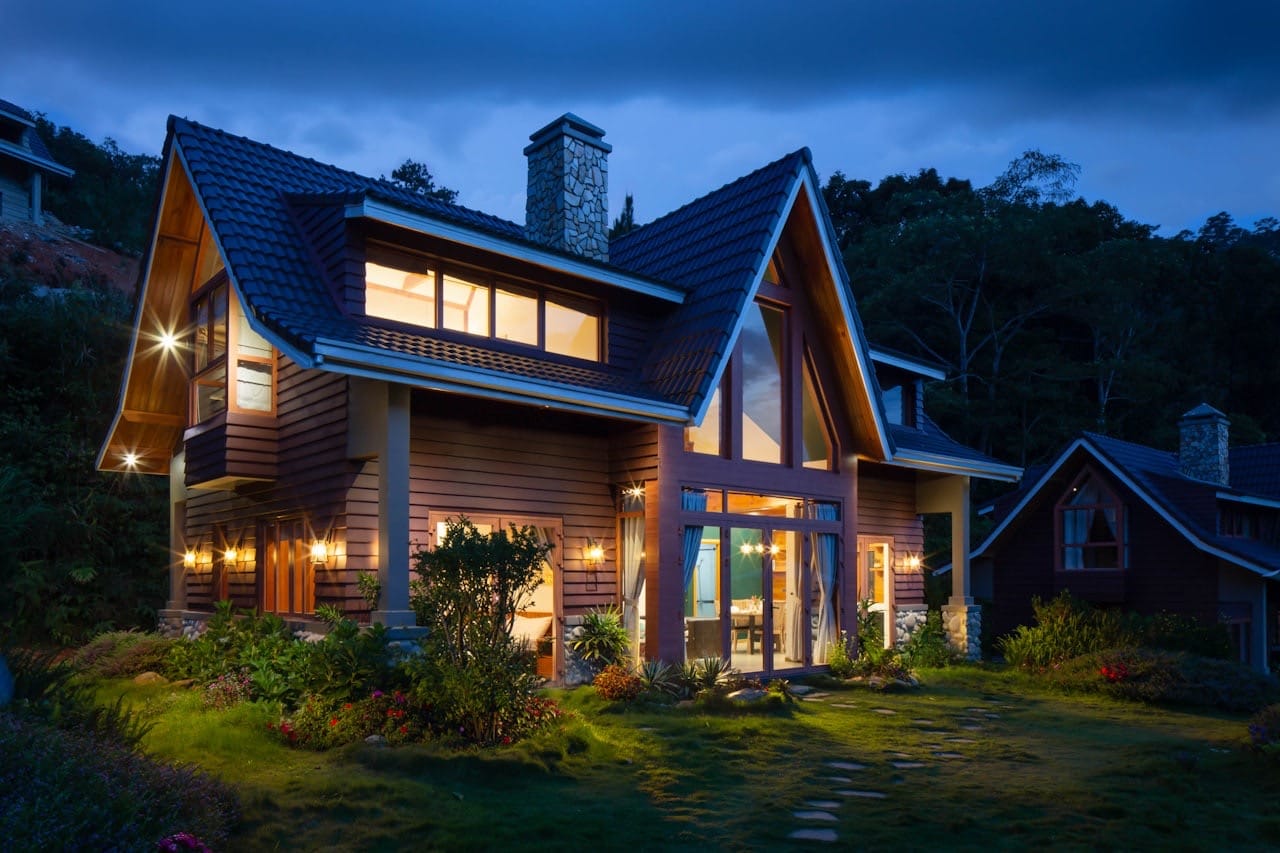
Forest Hills is one of Queens' most architecturally distinctive neighborhoods, anchored by the 142-acre Forest Hills Gardens — a planned community laid out in the early 20th century with input from Frederick Law Olmsted Jr., now famous for its English Tudor homes on winding, tree-lined streets. Beyond the Gardens, the housing stock is unusually varied: brick and stucco Tudors, a deep inventory of pre-war and post-war cooperatives, and newer condominiums and apartment buildings give buyers a wide range of price points and property types.
The commercial spine is Austin Street, a walkable retail-and-dining corridor that blends national stores with independent boutiques, cafes, and restaurants, plus a seasonal farmers market. The neighborhood is also home to the historic West Side Tennis Club and Forest Hills Stadium, a longtime concert venue and former host of the U.S. National tennis championships. Flushing Meadows-Corona Park, the borough's largest green space at over 900 acres, is a short distance away with museums, ball fields, and trails.
Transit is a defining strength. The Forest Hills-71st Avenue station puts E and F express service to Manhattan minutes away, with M and R service as well, and the Long Island Rail Road station sits within walking distance — one of the few LIRR stops that pairs directly with a subway hub, giving commuters a fast route to Penn Station and Grand Central.
At a glance
- Getting around
- E and F express plus M and R trains at Forest Hills-71st Avenue, with an LIRR station within walking distance for fast Penn Station and Grand Central service.
- Schools
- Served by NYC Public Schools District 28, with neighborhood options including P.S. 101 The School in the Gardens, P.S. 196 Grand Central Parkway, J.H.S. 190 Russell Sage, and Forest Hills High School.
- Character
- Calm, leafy, and architecturally rich, with Forest Hills Gardens Tudors, pre-war co-ops, and modern apartments side by side.
- Best for
- Buyers who want pre-war co-op charm or a Tudor on a tree-lined street, walkable Austin Street dining, and a fast express-train commute to Midtown.